Sports Nutrition
Fueling Young Athletes: Essential Sports Nutrition Tips for Kids and Teens
7 min read
By ONE Nutrition team
Reviewed by Yesenia Chediak, RD, LDN

As a parent, your "to-do" list is likely miles long. Between coordinating carpools, cheering from the sidelines, and managing school schedules, ensuring your young athlete is properly fueled can feel like just another hurdle. You want them to have the energy to sprint to the finish line, but you also want them to grow, develop, and: most importantly: enjoy the sports they love without burning out.
If you've ever found yourself searching for a pediatric nutritionist near me or a pediatric dietitian near me, you know that the internet is full of conflicting advice. One site says "carb-load," another says "low sugar," and a random social media influencer is pushing expensive supplements that aren't even safe for teens.
At ONE Nutrition, we believe nutrition shouldn't be a guessing game. Our team of Registered Dietitians (RDs) provides evidence-based, compassionate care tailored to your child's specific needs. Whether they are a competitive swimmer, a varsity football player, or a weekend soccer enthusiast, the right fuel makes all the difference.
Why Real Nutrition Expertise Matters
It's tempting to follow a "fad diet" or take advice from a generic fitness blog, but young athletes aren't just "miniature adults." Their bodies are still growing, and their nutritional requirements are significantly higher than those of sedentary peers.
Research shows that a well-balanced diet: rich in whole grains, lean proteins, and healthy fats: not only improves performance but also reduces the risk of injury and supports cognitive function in the classroom. This is where a specialized pediatric dietitian comes in. We look at the whole picture: growth charts, energy expenditure, food preferences, and even the stress of a busy season.
The best part? Professional support is more accessible than you think. We offer virtual appointments nationwide, and for many families, there is $0 out-of-pocket cost because we accept major insurance plans like Blue Cross Blue Shield (BCBS), Aetna, and Cigna.
1. The Pre-Game Plan: Timing is Everything
When it comes to youth sports, when your child eats is just as important as what they eat. The goal of a pre-exercise meal is to top up glycogen stores (energy for the muscles) without causing stomach upset.
The 3–4 Hour Window (The Main Meal)
About three to four hours before practice or a game, your athlete should have a balanced, "complete" meal.
- The Goal: High carbohydrates, moderate protein, and low fiber/fat (to prevent cramping).
- The Stats: Sports nutrition research suggests roughly 4 grams of carbohydrate per kilogram of body weight in this window. For a 77-pound (35kg) child, that's about 140 grams of carbs.
- Meal Ideas:
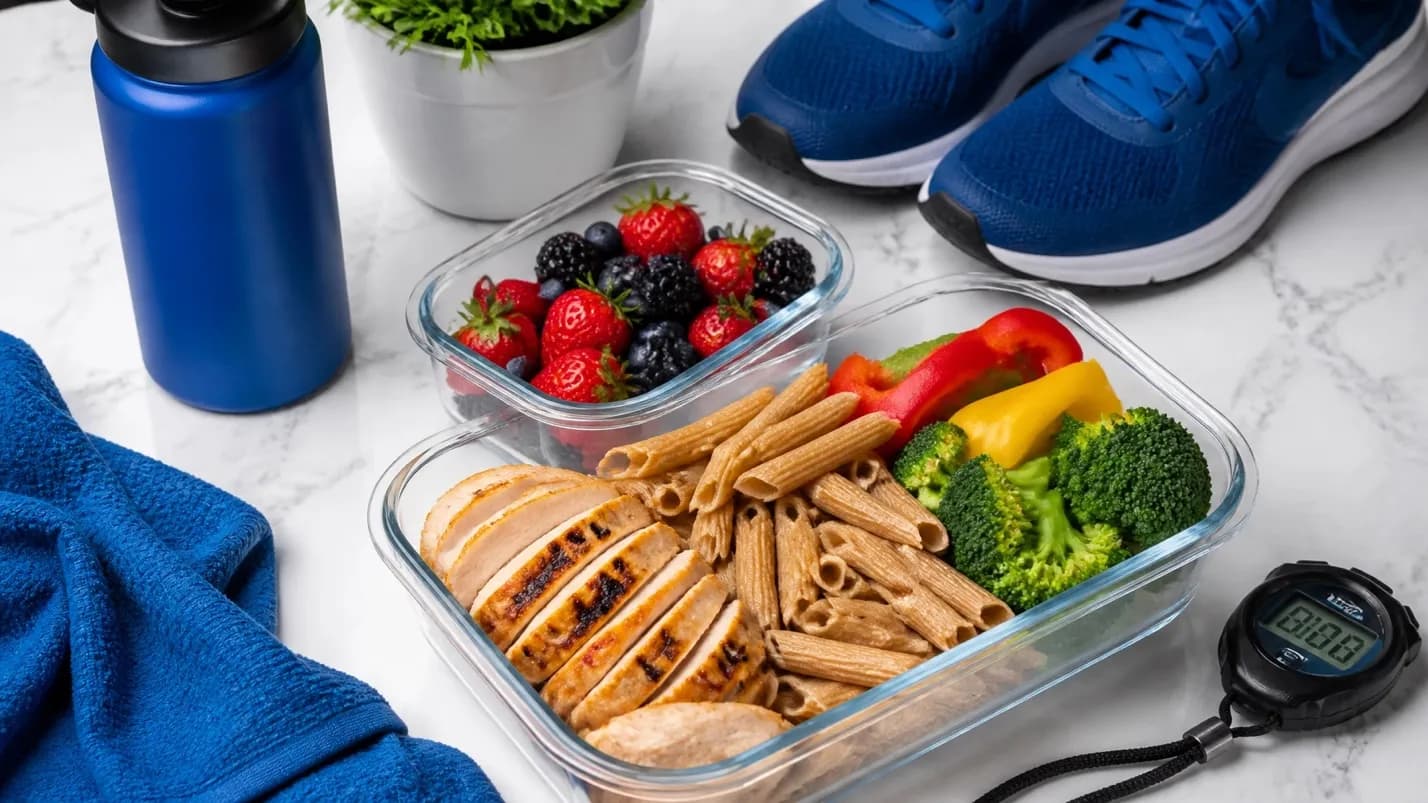
- Whole-grain pasta with tomato sauce and grilled chicken.
- A turkey and avocado sandwich on whole-wheat bread with a side of fruit.
- Brown rice, lean beef or beans, and steamed carrots.

The 1–2 Hour Window (The Top-Off Snack)
If it's been a few hours since lunch and practice is about to start, a small snack can provide a final boost.
- The Goal: Easy-to-digest carbs.
- Snack Ideas:
- A banana or an apple.
- A low-fat yogurt.
- A handful of pretzels or a granola bar.
2. Staying Hydrated: More Than Just Water
Dehydration is one of the quickest ways to see performance tank. It leads to fatigue, dizziness, and decreased coordination.
Hydration by the Numbers
- 2–3 hours before: Aim for 8–12 ounces of water.
- During play: Encourage small, frequent sips (about 4–8 ounces every 15–20 minutes).
- After play: Replace fluids lost through sweat. A good rule of thumb is to check urine color; it should look like pale lemonade, not apple juice.
What about sports drinks? For activities under 60 minutes, water is usually sufficient. If your teen is in a multi-game tournament or practicing in high heat for over an hour, a sports drink can help replace lost electrolytes. Avoid "energy drinks" containing caffeine, which can lead to jitters and heart palpitations in young athletes.

3. During the Game: Fueling for the Long Haul
For most standard practices, your child won't need to eat during the session. However, for long-duration events: like a swim meet or a back-to-back basketball tournament: small bursts of energy are vital.
- Fueling Stats: Aim for about 0.7 grams of carbs per kg of body weight per hour for events lasting over 90 minutes.
- Practical Picks: Orange slices, half a banana, or a few bites of a sports bar can keep blood sugar levels steady without feeling heavy in the stomach.
4. Post-Game Recovery: The "Window of Opportunity"
Recovery begins the moment the whistle blows. The 30 to 60 minutes following intense activity is the "golden window" for muscle repair and energy replenishment.
- The Goal: A combination of carbohydrates (to restock energy) and protein (to repair muscle tissue).
- The Stats: Try to get 1–1.5 grams of carbs per kg of body weight within an hour of finishing.
- The "Secret" Weapon: Chocolate milk! It has the near-perfect ratio of carbs to protein, plus electrolytes and calcium.
- Other Ideas:
- A smoothie with yogurt and berries.
- A peanut butter and jelly sandwich.
- Greek yogurt with granola.
5. Avoiding the "Fad Diet" Trap
In an age of TikTok "what I eat in a day" videos, many teens are susceptible to disordered eating or unnecessary restriction. They might hear that "carbs are bad" or that they need "bulking" supplements.
Registered Dietitians are the antidote to this misinformation. We focus on fueling, not restricting. We teach kids how to listen to their hunger cues and how to view food as the high-quality gasoline that keeps their "engine" running smoothly. By working with a professional, you ensure your child builds a healthy relationship with food that will last a lifetime.

How ONE Nutrition Supports Your Family
We know that as a parent, you're looking for convenience and quality. That's why we've designed our services to fit into your busy life:
- Virtual Appointments: No need to fight traffic. Connect with our RDs from the comfort of your home.
- Nationwide Coverage: We serve families across the country, ensuring top-tier care regardless of your zip code.
- Insurance-Friendly: Most of our clients pay $0 out of pocket. We are proud to be in-network with BCBS, Aetna, and Cigna.
- No Judgment: We meet your family where you are. Whether you're dealing with food allergies, picky eating, or high-level athletic goals, we provide a safe, supportive environment.
If you are looking for a pediatric nutritionist near me who understands the unique demands of youth sports, you've found the right place. Let's take the stress out of mealtime so you can focus on what matters most: cheering on your athlete.
Ready to get started?
Don't leave your child's health and performance to chance. Take a moment to check your insurance coverage or find a dietitian today. Together, we can create a customized plan that helps your young athlete feel their best, on and off the field.
For more tips on nutrition and wellness, visit our blog index.
Related Articles
Continue your nutrition journey