Sports Nutrition
Volleyball Tournament Nutrition Guide: Meal Prep and Fueling Tips with Miami Select
6 min read
By ONE Nutrition team
Reviewed by Yesenia Chediak, RDN
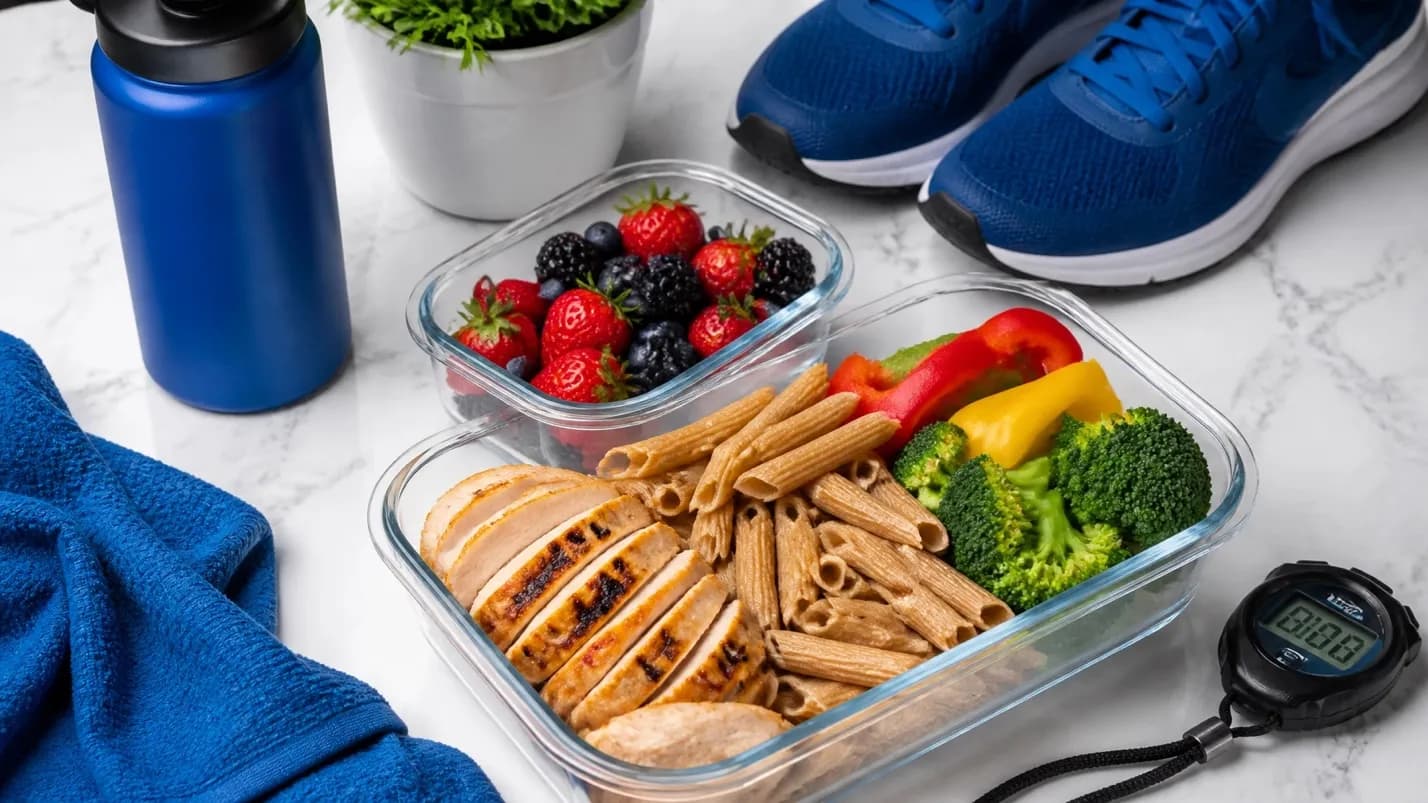
Volleyball tournaments demand more than talent and preparation on the court. They also require a smart fueling plan that supports energy, focus, hydration, and recovery from the first serve to the last point.
Through our collaboration with Miami Select, ONE Nutrition shared practical, performance-focused nutrition strategies throughout the season to help athletes and families feel more confident about what to eat before, during, and after competition.
This guide brings those key takeaways together into one comprehensive resource for volleyball tournament play and meal prep. As a team of licensed registered dietitians, we help athletes build evidence-based routines through virtual nutrition counseling, often at $0 out-of-pocket cost through major insurance providers.
The Foundation: Why Timing Matters in Volleyball
In sports nutrition, when you eat is just as important as what you eat. Volleyball tournaments are especially demanding because athletes may play multiple matches across several hours, with unpredictable breaks in between.
That schedule can lead to common fueling mistakes: eating too little and running out of energy, or eating too much at once and feeling heavy before the next match.
Throughout the season with Miami Select, we emphasized building a routine that keeps carbohydrate stores available, supports hydration, and reduces the risk of gastrointestinal discomfort under pressure.
By working with a sports nutritionist online, athletes can create a personalized tournament plan based on match timing, intensity, tolerance, and travel demands.
Pre-Tournament: The 48-Hour Lead Up
Strong tournament nutrition starts before the first whistle. For volleyball players, the 24 to 48 hours leading up to competition are an opportunity to go in well-fueled, well-hydrated, and prepared.
1. The Night Before: Keep It Simple and Carb-Focused
One of the main themes we shared with Miami Select families throughout the season was to avoid overcomplicating the night-before meal. Athletes do not need an oversized cheat meal or a heavy restaurant dinner.
Instead, they benefit from a familiar, balanced meal with carbohydrates, lean protein, and lower amounts of heavy fats.
- The Go-To Meal: Grilled chicken with white rice or pasta and a cooked vegetable like carrots or zucchini.
- Why: Carbohydrates help top off muscle energy stores, while keeping fat and very high-fiber foods moderate may help reduce bloating or discomfort the next morning.
2. Tournament Morning: Build the First Layer of Energy
Breakfast should support sustained energy without feeling too heavy. Aim for a meal 3 to 4 hours before the first match that includes carbohydrates and lean protein.
- Meal Prep Idea: Overnight oats with Greek yogurt and honey, a bagel with eggs, or a turkey wrap on a flour tortilla.
- Pro Tip: If nerves make eating difficult, start with smaller portions and add a familiar snack 30 to 60 minutes before warm-ups.
3. Hydrate Early, Not Just at the Venue
Another point we reinforced all season was that hydration starts the day before, not only when athletes arrive at the tournament site. Drinking fluids consistently and including sodium through regular meals can support better hydration status heading into play.
During the Tournament: The Volleyball Fueling Strategy
When athletes have multiple matches in one day, the time between matches becomes one of the most important nutrition windows.
During our work with Miami Select, we encouraged players to think in three priorities between matches: carbs, fluids, and practical recovery foods they will actually eat.
Refuel with Carbohydrates
Volleyball involves repeated jumping, quick changes in direction, and bursts of high effort. Carbohydrates help restore the energy used during match play.
- Pack these: Bananas, applesauce pouches, pretzels, crackers, fruit cups, or low-fiber granola bars.
- Best for short breaks: If the next match is starting soon, choose easy-to-digest carbs and keep portions light.
Add Protein When There Is Time
Protein matters, but between back-to-back matches it should not replace carbohydrate intake. A small amount can help support muscle recovery when there is a longer break.
- Pack these: Greek yogurt, turkey roll-ups, cheese sticks, low-fat chocolate milk, or a simple sandwich.
Rehydrate with Fluids and Electrolytes
Hydration was a major theme we discussed throughout the season, especially in warm and humid conditions. Water is important, but athletes who sweat heavily or compete for several hours may also need sodium and electrolytes.
- Strategy: Sip fluids consistently throughout the day. For longer tournament days or high sweat losses, use a sports drink or electrolyte beverage in addition to water.
Avoid the Common Midday Crash
A frequent issue at tournaments is waiting too long to eat, then grabbing large amounts of fast food or candy all at once. That pattern can leave athletes feeling sluggish, thirsty, or uncomfortable.
A better plan is to eat small, intentional snacks every few hours and use longer breaks for a more balanced meal.
Professional Insight: What We Shared with Miami Select
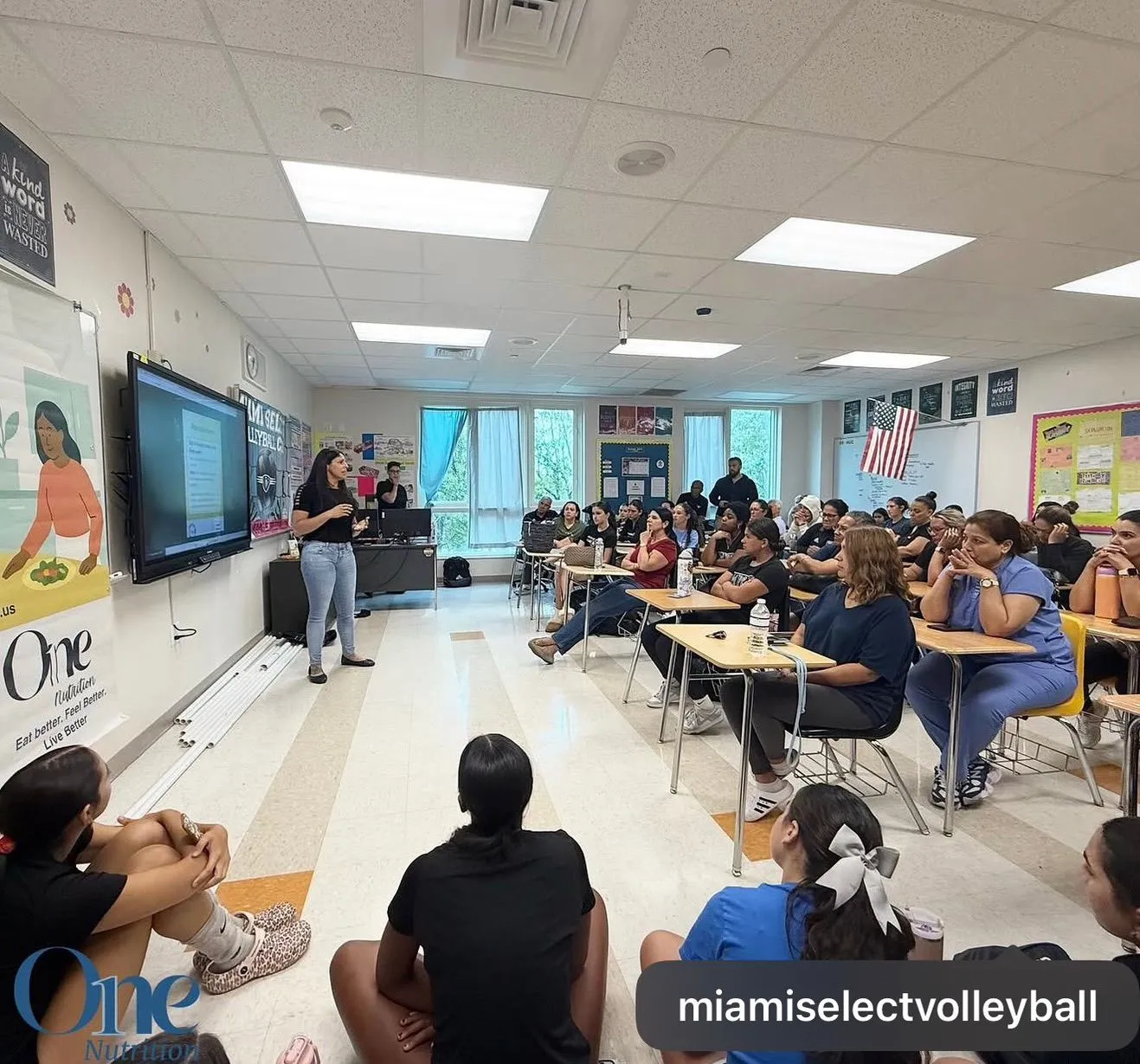
During our collaboration with Miami Select, we spoke with players and families about a simple but important idea: the best tournament nutrition plan is one that is realistic, familiar, and practiced ahead of time.
What works well for one athlete may not work for another. Some players do great with wraps and fruit, while others feel better with smaller snacks and liquids between matches.
That is why virtual nutrition counseling can be so valuable for volleyball athletes. It gives families a chance to personalize snack choices, meal timing, hydration goals, and recovery habits based on position, appetite, practice schedule, and GI tolerance, so tournament day feels more predictable.
Meal Prep Hacks for the Busy Volleyball Athlete
Tournament days are long, and concession food is not always ideal for performance. One of the most practical strategies we reviewed with Miami Select families was simple meal prep that makes fueling easier when schedules get hectic.
- Pack a Tournament Cooler: Include water, electrolyte drinks, fruit, sandwiches or wraps, yogurt, pretzels, granola bars, and a post-match recovery option.
- Batch Cook the Basics: Prepare rice, pasta, potatoes, grilled chicken, or turkey ahead of time so meals can be packed quickly the night before.
- Use the "Easy to Eat" Rule: Foods that can be eaten quickly between matches, such as wraps, bagels, applesauce pouches, and snack boxes, are usually more realistic than full plated meals.
- Plan for Long Breaks and Short Breaks: Pack lighter snacks for short turnarounds and one more balanced meal for longer gaps in the schedule.
- Do a Practice Run: Tournament day should not be the first time an athlete tries a new bar, drink, or pre-game meal.
Post-Tournament: Recovery Still Counts
Once the final match is over, recovery nutrition helps athletes bounce back faster for the next practice, tournament, or training session.
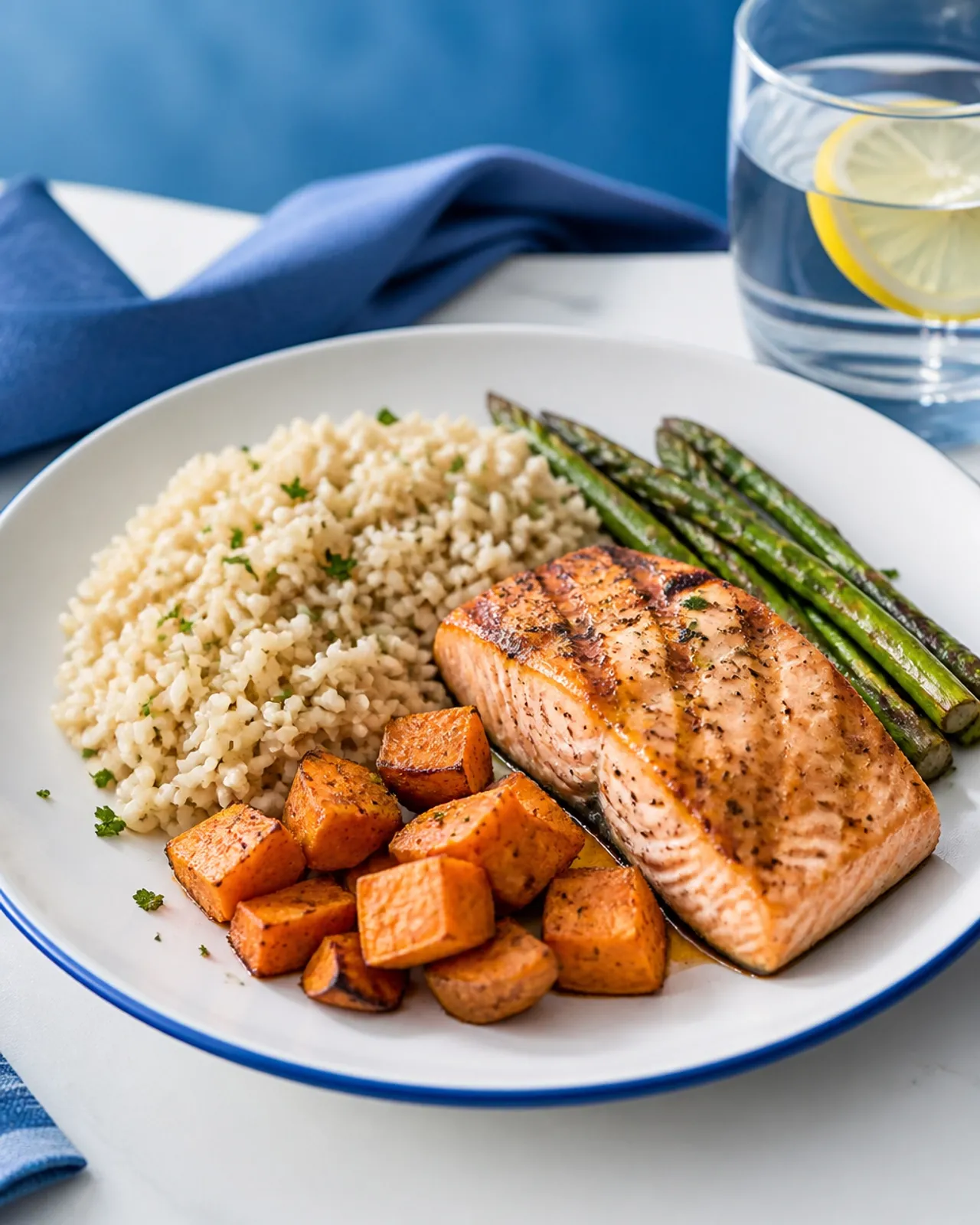
A strong post-tournament meal includes:
- Carbohydrates to refill energy stores
- Protein to support muscle repair
- Fluids and sodium to continue rehydration
- Colorful foods like fruits and vegetables to round out overall recovery
A simple recovery plate might include salmon, chicken, turkey, or lean beef with rice, potatoes, or pasta and a side of vegetables or fruit.
If a full meal is delayed because of travel, start with a recovery snack and eat a balanced dinner as soon as possible.
Expert Guidance Without the Cost
Performance nutrition can feel overwhelming, but it does not have to be expensive or confusing.
At ONE Nutrition, we believe athletes and families should have access to individualized, evidence-based support. We are an insurance covered nutritionist group, and many of our clients pay $0 out of pocket with BCBS, Aetna, and Cigna for their appointments.
Whether you need help with tournament fueling, hydration, recovery, weight goals, or overall sports performance, our Registered Dietitians provide practical strategies tailored to your sport, schedule, and preferences.
We do not do fad diets. We provide professional, personalized nutrition care that helps athletes perform, recover, and build sustainable habits over time.
Ready to support your volleyball season with a better plan?
Visit our blog index for more nutrition resources, or schedule a virtual appointment to connect with a Registered Dietitian at ONE Nutrition.
Related Articles
Continue your nutrition journey